
Have you ever experienced, or imagined, not living in your home? In Tokyo, sometimes people are seen sleeping outside or inside train stations at night. They will disappear in the morning, moving to parks or elsewhere, carrying their belongings or leaving them behind.
A national survey reported around 4,000 people living in homelessness in Japan in 2018 (when I was living there) – that accounts for about 0.003% of the population. This number is likely an underestimation. An even bigger, but less visible and heard of, problem facing the society is hidden poverty: in 2018, around 20 million people were living under the poverty line in Japan (the line is half of the national average salary). This means around 15% of the entire population was living in a kind of home, but in hardship. Silently, invisibly.
One of the few times this situation becomes visible is on Saturday noons, at Ueno Park in Tokyo. Famous as sakura viewing/picnic spot, this park’s corner becomes a meal distribution spot for people who needs them, every week since 2016. The organization that runs the distribution is Second Harvest Japan (2hj) – and they are doing an amazing job with grace, strategy, and efficiency. As a non-profit organization, 2hj receives donations, prepares foods, gathers volunteers, organizes schedules, and informs people to come and receive food products and fresh meals.

On Saturdays around 11 am, a few volunteers wait near a white tent behind the Tokyo Metropolitan Art Museum, the newcomers among them look slightly unsure. Around 15 minutes later more volunteers join them, and together they will be unloading crates, boxes, bags, chairs, and fold-out tables from a white van to the tent. Their leader then allocates tasks among the volunteers (around 10 to 15 of them), accommodating specific preferences if any. Then the volunteers start unpacking the boxes and crates: bowls, boxes, spoons, foods, digital scales.
While they’re setting up shop, people living at Ueno Park and elsewhere in the city who needs food arrive. Mostly men, a few women, a lot of them in their 50’s or 60’s. Some of them look shy or uncomfortable. Many look tired or needing some sleep. Some look irreverent. But never ashamed or impatient. A few of these meal recipients bring trolleys that people usually use for grocery shopping but most just carry a backpack, a hand bag, or a plastic bag. And just before midday, they will have lined up neatly and patiently, ready to participate. The prepared foods are so well-organized that within a few minutes meal distribution process will be ready to start. Volunteers work in a supply chain: organizing bowls, distributing the rice into bowls, adding the proteins, handing to receivers, ladling soups into cups, handing bananas.
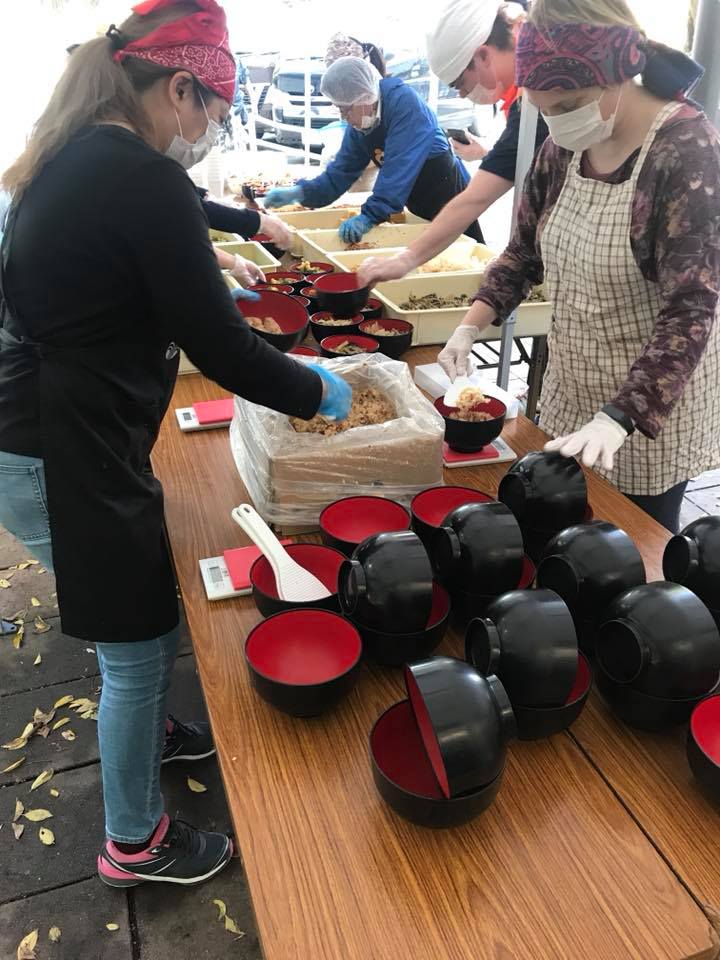
I had the great honor of volunteering at 2hj’s kitchens and meal distribution sessions while I was living in Tokyo. People who come with only a plastic bag usually break my heart a little bit, so I try to smile more and sneak a bit extra food into their bags when possible. These foods are usually bread, bananas, and sometimes side dishes in small packages. The main meals are typically rice bowls/bentos and soups in the colder seasons. Lots of veggies, meats, fishes, rice. All nutritionally balanced and, from their looks and smell, delicious fresh foods that upholds the dignity of their recipients. They enjoy the hot meals on site and bowls are returned to volunteers to be cleaned up. If a volunteer is lucky, they may catch a smile from the food recipients as they take the bowls back.
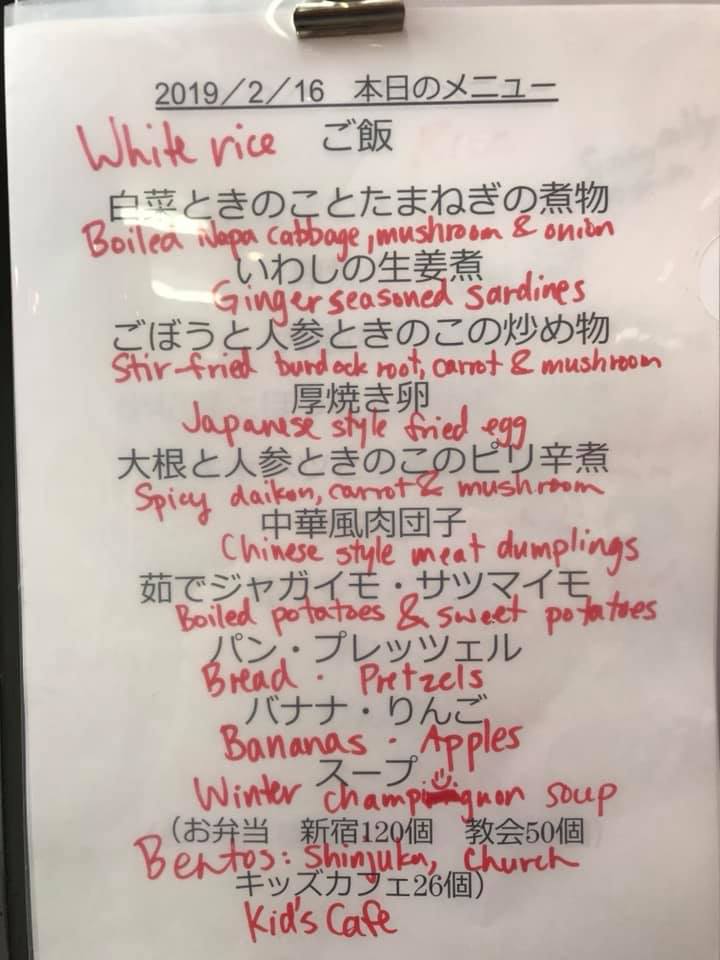
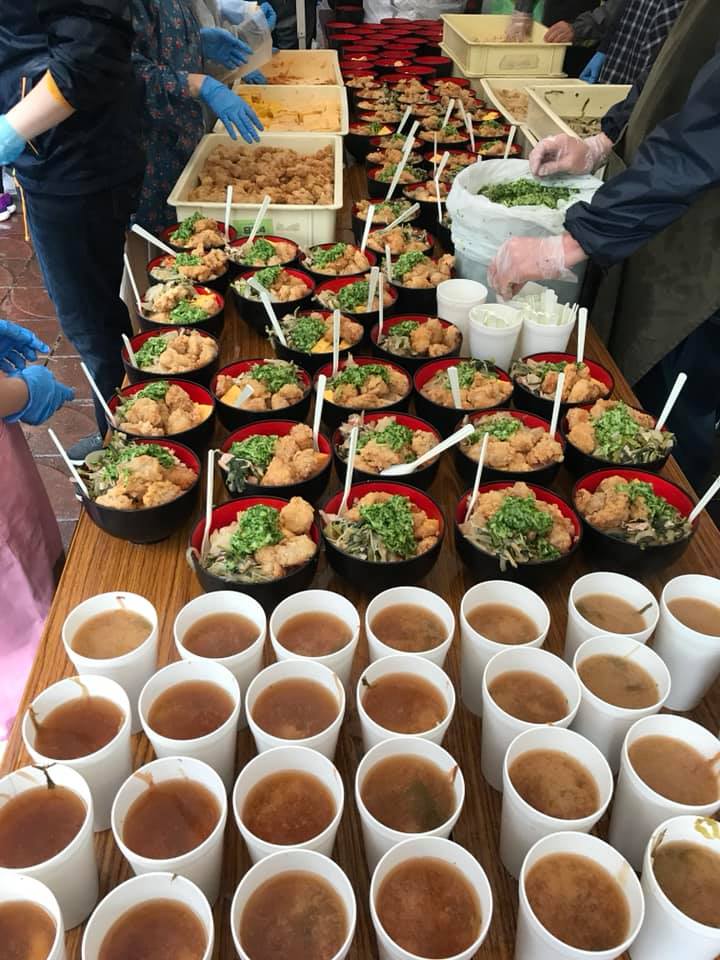
If you live in Tokyo, please look 2hj up and make time to volunteer. They are super busy, it’s almost impossible to not find a volunteer slot that fits your schedule. They are very well organized and supplied, so rest assured you will feel supported when volunteering. If you are part of any organization, consider donating to the cause. 2hj also runs food banks and soup kitchens during emergencies like floods events or earthquakes and they will always appreciate donations. Food is life, and 2hj save people’s lives even though you can’t know for sure.

Japan is still one of the most egalitarian and prosperous countries in the world, but these sessions show that people living in hardship are everywhere. Indeed, people in many countries are living in conflicts and/or with minimal means. The fact that 2hj still exists after two decades (they were established as a non-profit food bank in 2002) and always busy goes to show that a little help can go a long way. They also evolve, starting new initiatives or ways to reach people and families that need help but can’t always ask (see their initiatives on children’s food supply and affordable food shops).
I’d had an honor volunteering my time and energy with 2hj, and I was sad to say goodbye when I left the country. Food banks and meal distribution are not very easy to find or organize privately in Jakarta, for a few reasons: it’s tricky to restrict participation, people who needs help usually can get some from their neighbors and/or family, and there are many religious foundations that organize charities. Help works in many ways and we follow them where we are.
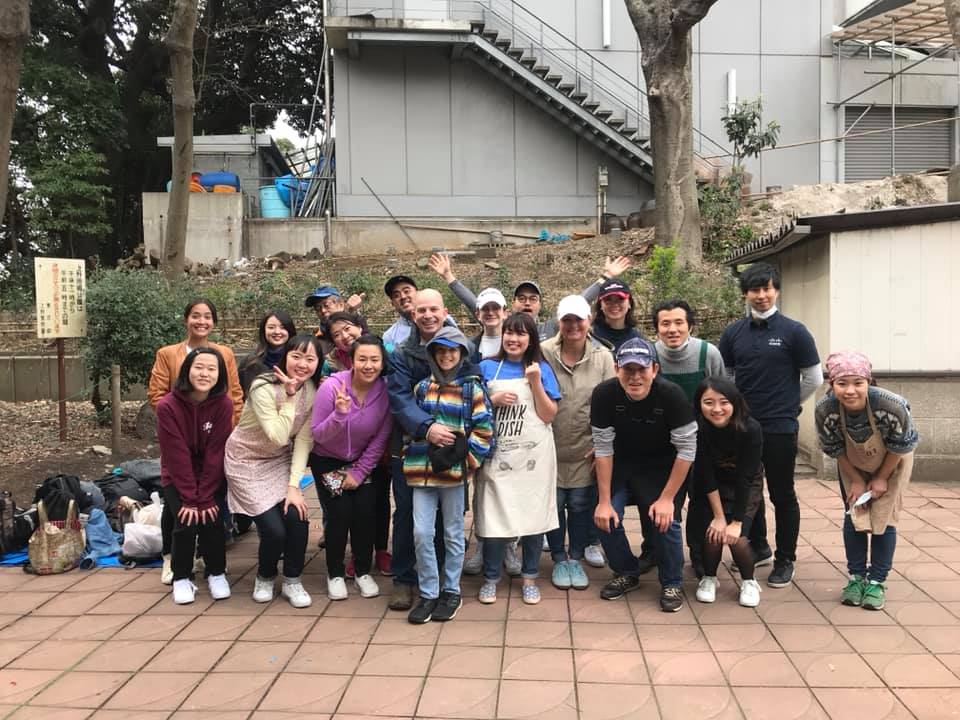
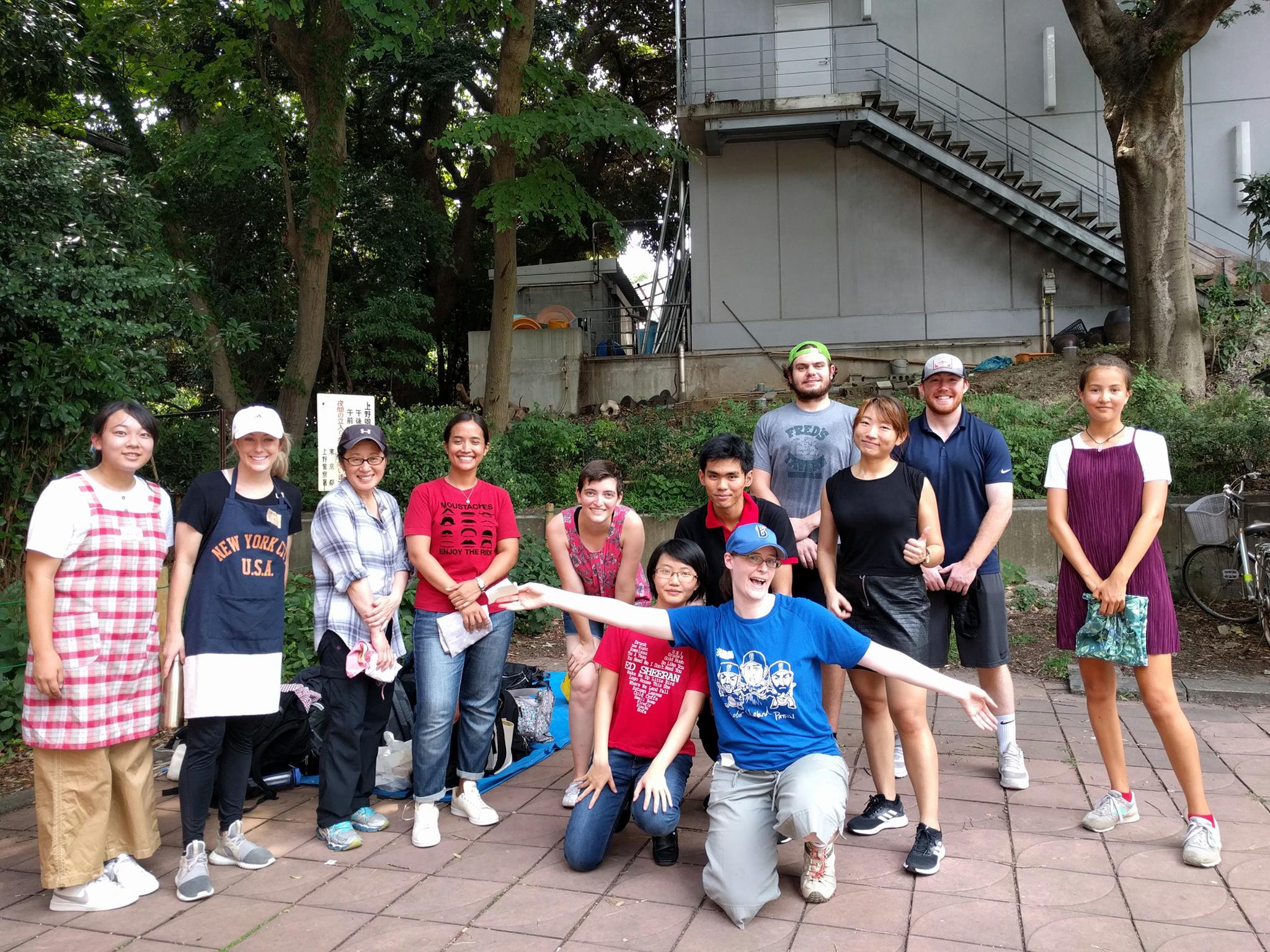
I hope to always remember this experience and to always be able to volunteer my time for important causes.
I wish the 2hj team and volunteers all the best in making great contribution to humanity. And I hope 2hj continues to live as long as it’s needed.
All pictures from 2hj Facebook page.
 amellina's journal